
Beginner Saltwater Aquarium Guide
Beginner Saltwater Aquarium Fish: The Best Easy, Hardy Picks (Plus Stocking Tips)
Choosing the right beginner saltwater fish is the fastest way to build confidence, avoid early losses, and enjoy a thriving marine tank. The best starter species are hardy, easy to feed, and compatible with a wide range of tank mates. In this guide you’ll learn which fish to start with, what tank sizes they need, how to introduce them safely, and how to feed and care for them long-term.
If you want the “low-stress” path: start with peaceful, reef-safe fish that accept frozen/pellet foods, add them slowly, and keep your water stable. Use this page as your quick blueprint.
Keep your embedded video under ~5 minutes to boost engagement and time-on-page.


What Makes a Fish Great for Beginners?
“Beginner-friendly” doesn’t mean boring—it means the fish is resilient and predictable. The best starter saltwater fish are usually peaceful to semi-aggressive, don’t require specialty diets, and adapt well to typical aquarium conditions. Look for fish that: (1) eat prepared foods quickly, (2) tolerate normal day-to-day fluctuations, (3) have clear minimum tank sizes, and (4) play well with common community species.
Beginner Success Targets (Easy Numbers)
Tip: Stability beats perfection. Small swings are normal—big swings are the problem.
Best Beginner Saltwater Aquarium Fish
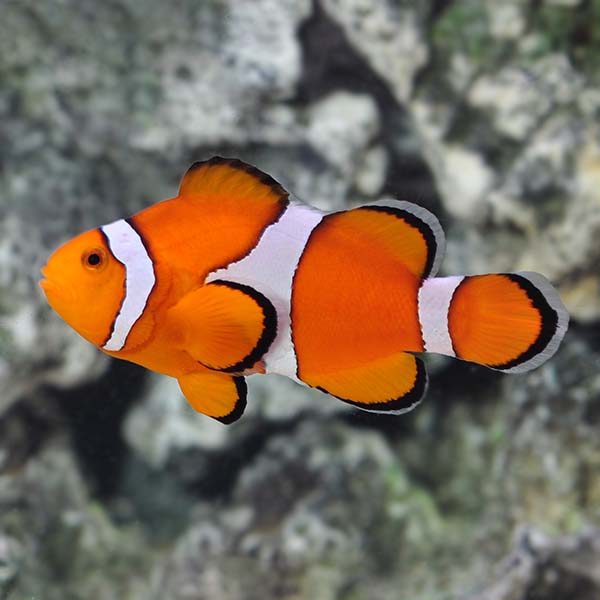
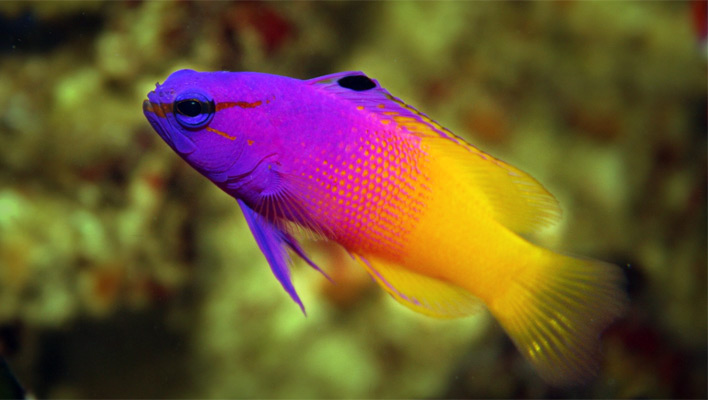
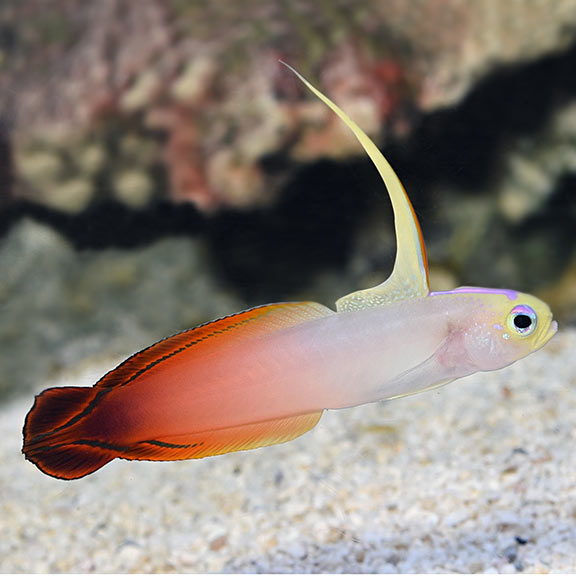
Below are proven beginner favorites. These fish are widely available, adapt well when acclimated slowly, and are easier to feed than many “advanced” marine species. Always confirm compatibility with your tank size and existing fish.
Beginner Stocking Plan (Simple + Safe)
A beginner marine tank succeeds when fish are added slowly, aggression is managed, and the biofilter has time to adjust. Use this order as a guideline (your tank size and existing fish matter):
- First fish: peaceful, hardy species (clownfish, firefish, royal gramma).
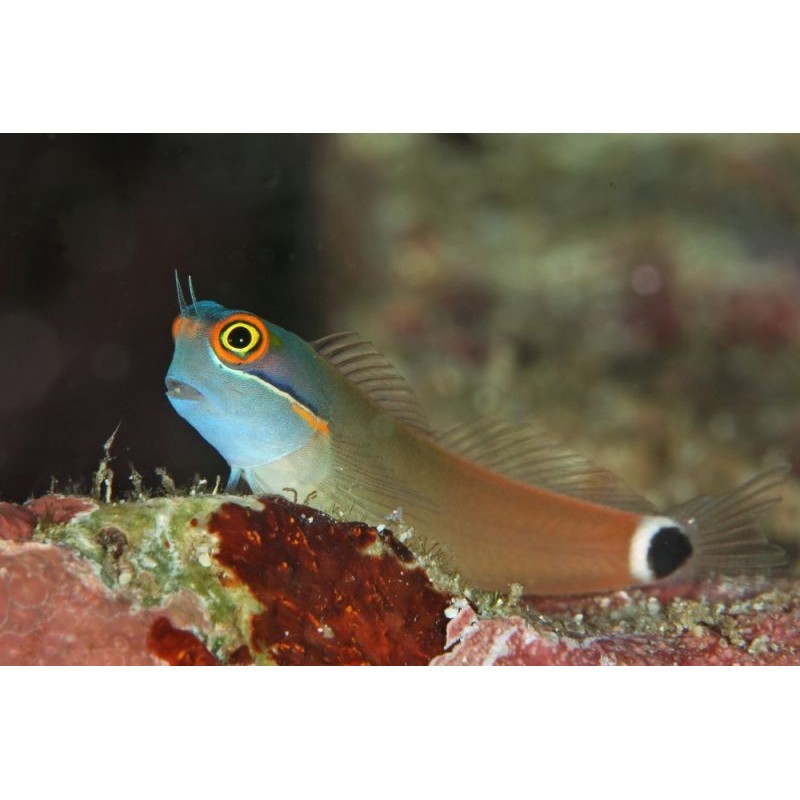
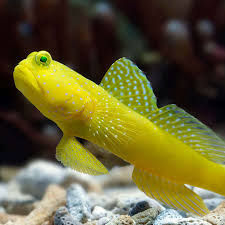
- Second wave: another peaceful fish or a gentle utility fish (goby or blenny).
- Later: semi-aggressive community fish (only after stability is proven).
Add one fish every 1–2 weeks. Test ammonia and nitrite after each addition. If either appears, pause stocking and let the tank stabilize.
Feeding Beginner Saltwater Fish
Feeding is where many beginners stumble—not because it’s hard, but because consistency matters. Most starter fish do best with a rotation of mysis shrimp, brine shrimp, quality pellets/flakes, and occasional marine algae sheets for herbivores. Feed small amounts 1–2 times per day and remove uneaten food when possible.
- New fish tip: Offer frozen mysis first—it’s a high-acceptance food.
- Shy fish: Turn off pumps briefly so food stays in the water column longer.
- Blennies & grazers: Supplement with algae-based foods if natural algae is scarce.
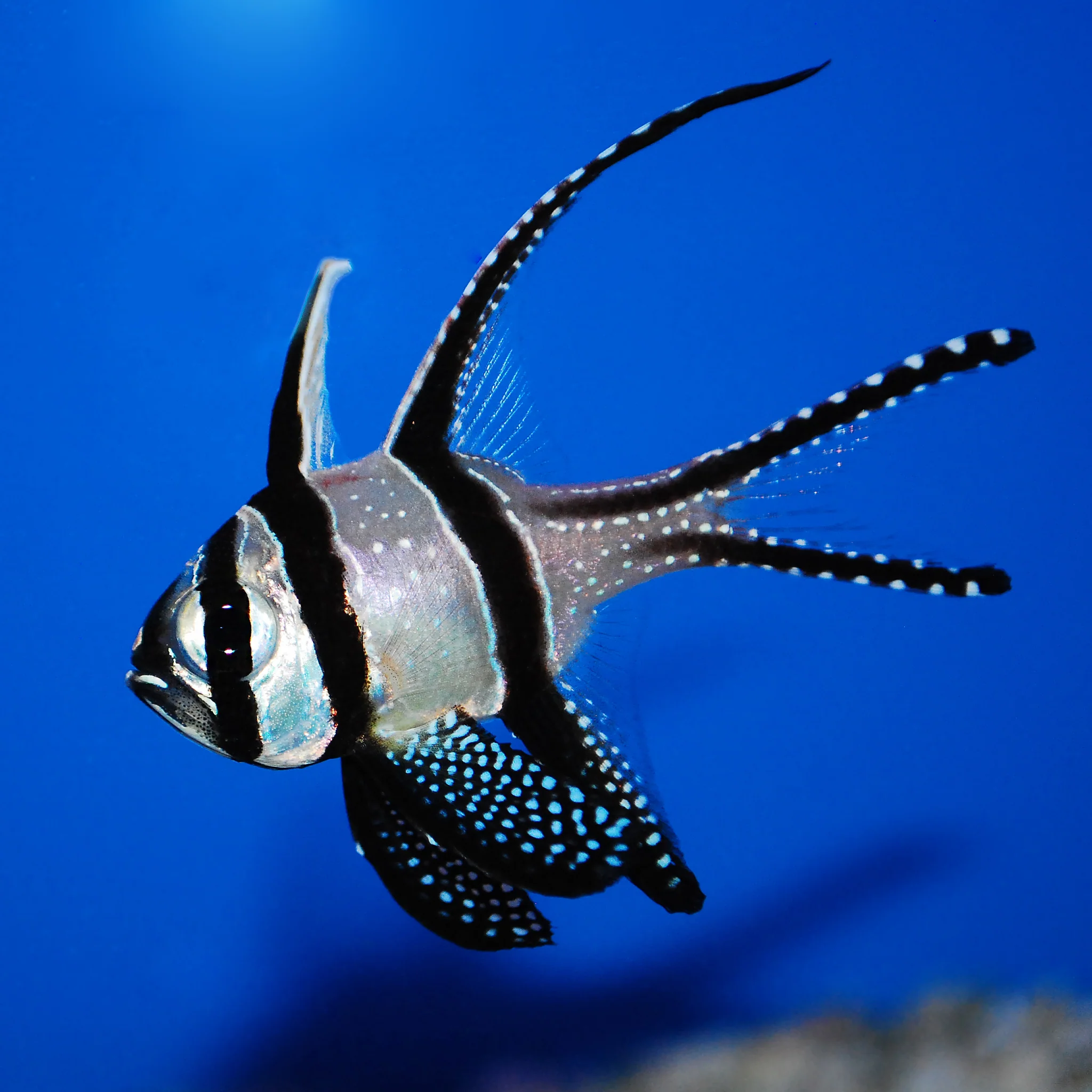
- Community tanks: Make sure slow eaters (grammas/cardinals) actually get food.
Want a beginner stocking list built for your exact tank size?
Get a stress-free plan with fish that match your gallons, reef goals, and temperament preferences. Perfect for 20g, 40g breeder, 55g, and 75g setups.
Beginner Saltwater Fish FAQ
How many fish can I add at the start?
Start with 1–2 hardy, peaceful fish. Then add one fish every 1–2 weeks while monitoring ammonia and nitrite.
Do I need quarantine for beginner fish?
Quarantine is strongly recommended. It reduces parasite risk and helps fish transition to prepared foods before entering the display tank.
What is the easiest saltwater fish to keep?
Captive-bred clownfish are among the easiest, followed closely by royal grammas and many gobies/blennies—when tank size and compatibility are respected.