
Clownfish For Sale
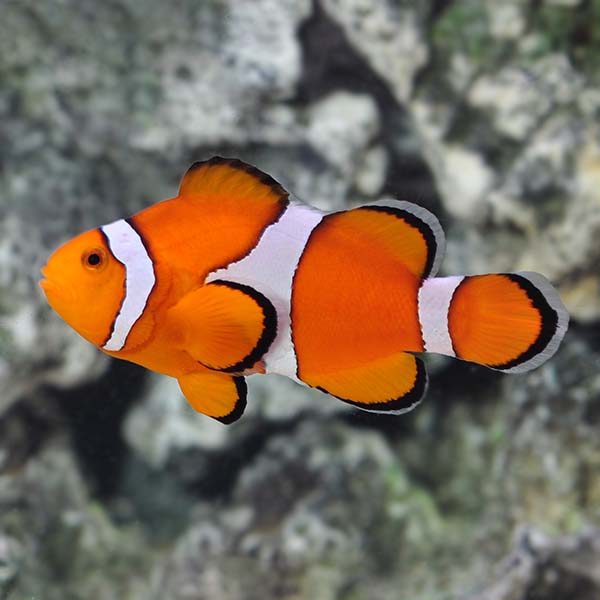
Clownfish are small, colorful, and famously beginner-friendly. Browse classic Ocellaris & Percula, bolder Maroons & Clarkii types, and stunning designer morphs—organized by tank size, temperament, and reef compatibility.
Shop Clownfish
Fast browsing: start with the fish type you want, then explore patterns, sizes, and captive-bred options.
Shop by Type
Pick the clownfish category that matches your tank size and personality preference.
Ocellaris (False Percula)
The go-to beginner clownfish—hardy, adaptable, and great in pairs.
Percula (True Percula)
Classic orange-and-white look with a bit more “designer-ready” variety.
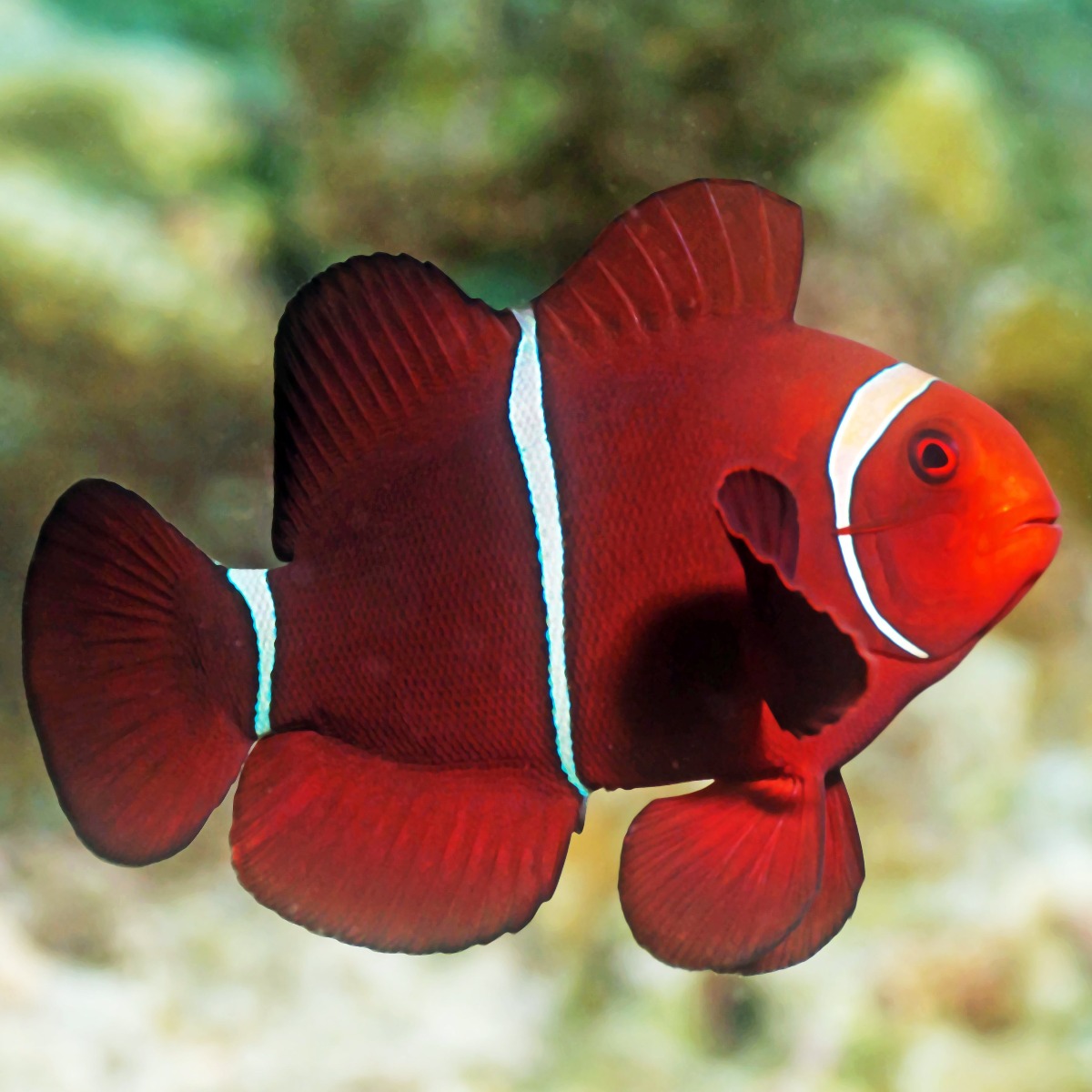
Maroon
Bigger personality and more territorial—best with thoughtful tankmate planning.
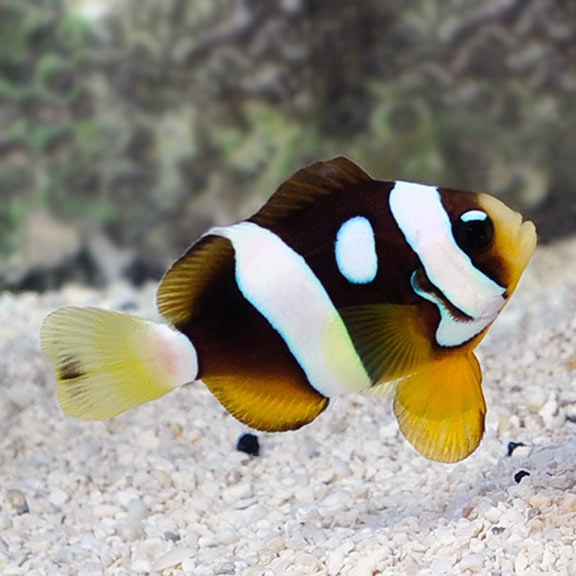
Clarkii & Similar
Hardy, energetic clowns that can become tank “leaders” in larger systems.
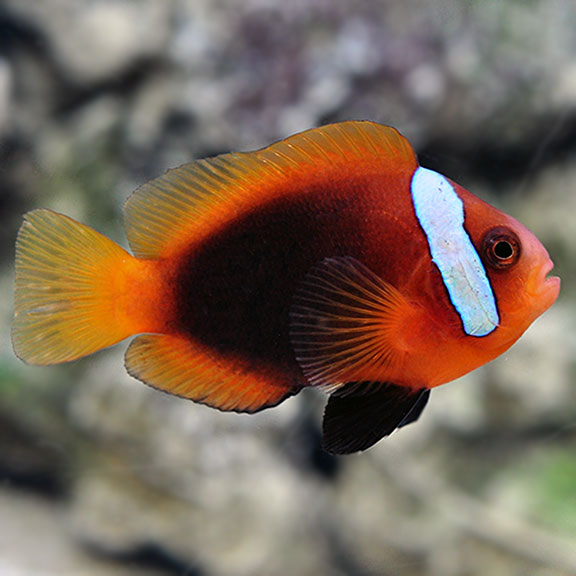
Tomato & Cinnamon
Warm red/orange tones and strong presence—great “feature fish” clowns.
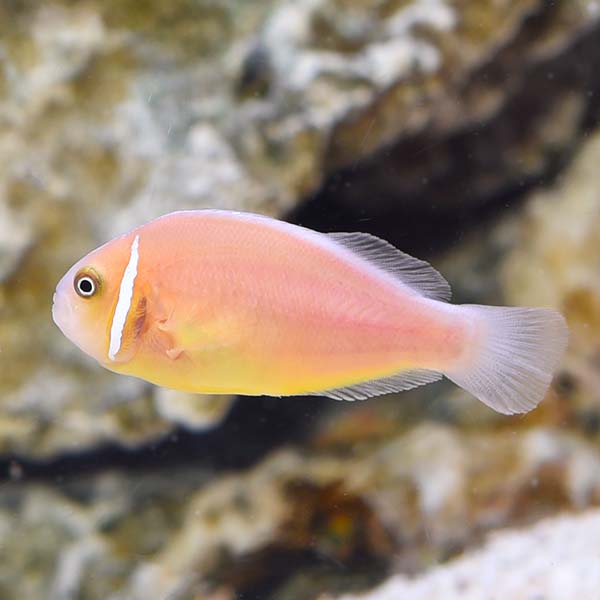
Skunk Clownfish
Unique striping and calmer vibe—nice alternative to the “Nemo look.”
Captive-Bred Favorites
Usually hardier and faster to adapt—ideal for new saltwater tanks.
Beginner Picks
A curated shortlist of clowns that tend to eat well and settle quickly.
Designer Clownfish (Morphs)
Snowflake, Storm, Picasso-style patterns and more—big visual impact, same clownfish charm.
Most Popular Designer Looks
- Snowflake / Flurry: irregular white patterning
- Storm: bold contrast, high-white coverage
- Misbar: broken or missing bars
- Longfin: flowing fins for a “premium” silhouette
Quick Compatibility Tip
Most clowns do well as a single fish or bonded pair. If you want more than two, plan a large system and research carefully to reduce aggression and territory disputes.
Pairs & Hosting (Anemone Optional)
Clownfish don’t require an anemone to thrive in captivity, but many may “host” corals or tank structures instead.
Bonded Pairs
The best “centerpiece behavior” — stable pairing, less chasing, more personality.
Anemones (Optional)
Stunning hosts in mature tanks—requires stability, light, and careful placement.
Coral “Hosts”
Some clowns may choose corals or rock ledges as a comfort zone.
Tank Mates Guide
Choose peaceful companions and avoid mixing multiple clownfish species in small tanks.
Clownfish Care Basics
A quick reference you can expand into a full guide post (which helps outrank category pages).
Quick Care Checklist
| Topic | What to Aim For |
|---|---|
| Tank size | Start small with Ocellaris/Percula; larger types do better with more space. |
| Temperament | Mostly peaceful; can become territorial near their “host zone”. |
| Diet | Varied omnivore diet: quality pellets + frozen foods (mysis/brine) + occasional algae-based foods. |
| Pairing | Best as a single fish or a bonded pair to reduce stress and chasing. |
| Reef safety | Generally reef-safe; always plan tankmates and space. |
Why People Love Clownfish
- They stay relatively small (great for home aquariums).
- They’re hardy and usually adapt well to captive life.
- They have big personality and recognizable behavior patterns.
- Designer morphs add “wow” without changing core care needs.
Clownfish FAQs
These questions are designed to win featured snippets and AI search results.
Do clownfish need an anemone?
No—clownfish can thrive without an anemone in captivity. Many will “host” other structures (rockwork, corals, corners) depending on the tank.
How big do clownfish get?
Most clownfish remain small, commonly around a few inches as adults. Size varies by species and type.
Can I keep more than two clownfish?
It depends on tank size and species. For most tanks, a single clownfish or bonded pair is the simplest and most peaceful option.
Are clownfish reef-safe?
Clownfish are generally reef-safe and a common choice for community reef aquariums with compatible tank mates.