Reef-Safe • Captive-Bred Friendly • Nano Tank Star
Orchid Dottyback (Pseudochromis fridmani): Care Guide, Tank Mates, Diet & Reef Tips
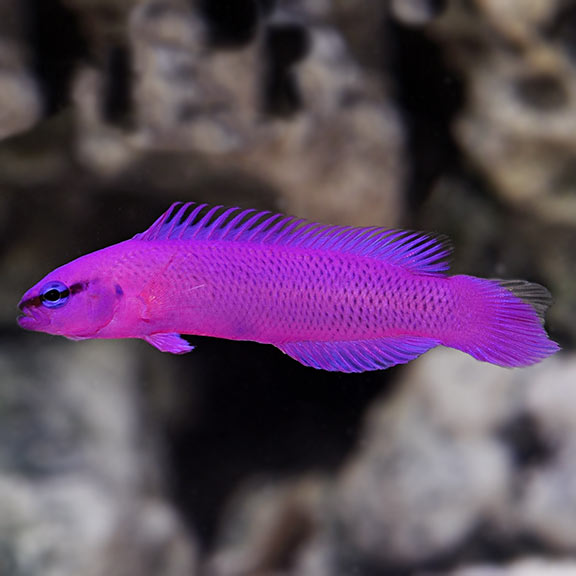
The Orchid Dottyback is one of the most popular purple reef fish for a reason: it’s hardy, brilliantly colored, generally reef-safe, and often available captive-bred. This guide covers everything you need to keep Pseudochromis fridmani thriving—from ideal tank size and aquascape to compatible tank mates and feeding routines.
At-a-Glance: Orchid Dottyback Care
Adult Size
~3 inches (7–8 cm)
Minimum Tank
30 gallons (bigger = calmer)
Temperament
Semi-aggressive / territorial
Reef Safe
Yes (coral-safe; may harass tiny shrimp)
Diet
Meaty foods (mysis, pellets, brine)
Best Feature
Vibrant purple color + hardy nature
What Is an Orchid Dottyback?
The Orchid Dottyback (Pseudochromis fridmani) is a small, cave-loving reef fish native to the Red Sea. In the hobby it’s famous for its saturated purple coloration and its ability to thrive in a wide range of reef setups. Unlike many dottybacks that can be extremely aggressive, the Orchid Dottyback is often considered one of the more “community-friendly” options—especially when it is tank-raised.
That said, “more peaceful” doesn’t mean “push-over.” Orchid Dottybacks are still territorial and will defend a chosen cave. With the right aquascape and compatible tank mates, they become a bold, visible centerpiece fish that adds nonstop movement to a reef.
Ideal Tank Size & Water Parameters
A 30-gallon tank is a great starting point for an Orchid Dottyback, but bigger systems make compatibility easier. In smaller aquariums, there are fewer “escape routes,” so a dottyback’s territorial behavior is more noticeable. In larger reefs, the fish can establish a territory without constantly crossing paths with timid neighbors.
- Temperature: 76–79°F
- Salinity: 1.024–1.026 SG
- pH: 8.1–8.4
- Alkalinity: 8–10 dKH (reef stability matters)
- Nitrates: low to moderate (avoid spikes)
Consistency beats perfection. Stable salinity and temperature plus a mature biofilter will keep your dottyback eating and active.
Aquascape: The “Cave Network” Rule
Orchid Dottybacks thrive when they can claim a safe home. Build a live rock cave network with multiple entrances. This gives your fish a place to retreat and reduces stress in busy community tanks.
Simple setup checklist
- At least 2–3 caves (more in nano reefs)
- Rockwork with tunnels and overhangs
- Open swimming space in front
- Moderate flow (avoid blasting their cave)
Want a clean plan? Use our Custom Aquarium Planner to map rockwork, stocking order, and feeding schedule.
Diet & Feeding: What Orchid Dottybacks Eat
Orchid Dottybacks are carnivores that naturally pick off tiny crustaceans and meaty bits in rock crevices. In captivity, they do best when offered a varied diet that mixes frozen foods with quality pellets. A well-fed dottyback is typically less likely to bully tank mates.
Best Frozen Foods
Mysis shrimp, chopped krill, marine blend
Prepared Foods
Sinking pellets, soft granules, gel foods
Feeding Frequency
1–2 small feedings daily
If your dottyback hides at feeding time, try delivering food near the cave entrance with a turkey baster. Once it learns the routine, it will usually meet you at the glass.
Temperament: “Peaceful… for a Dottyback”
Orchid Dottybacks are bold, curious, and territorial. Most issues happen when the tank is small or when timid fish are forced to share the same hiding spaces. If you build enough caves and avoid ultra-shy nano fish, you’ll usually have a smooth experience.
Watch-outs
- May harass very small gobies in tight tanks
- Can chase new additions if added too early
- Territorial around “their” cave entrance
Stocking order helps: add the dottyback after the most peaceful fish, and keep it well-fed.
Best Tank Mates (And What to Avoid)
Orchid Dottybacks pair best with fish that are confident but not aggressive predators. Think “calm, established reef citizens.” In mixed communities, they do great with clowns, cardinals, many wrasses, and larger blennies.
Good choices
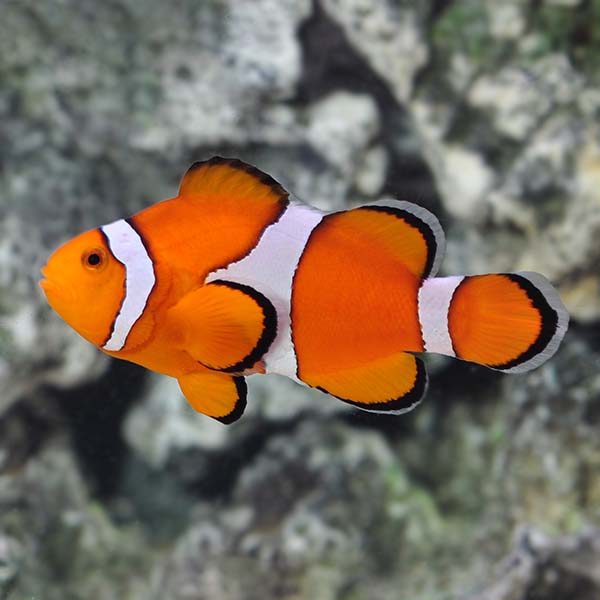
- Clownfish
- Cardinalfish
- Blennies
- Tangs (larger systems)
- Many fairy/flasher wrasses
Avoid / use caution
- Other dottybacks (small tanks)
- Very timid nano gobies
- Huge predatory wrasses
- Aggressive damsels in tight reefs
- Delicate ornamental shrimp (sometimes)
For more stocking ideas, see our Peaceful Community Saltwater Fish list.
Is the Orchid Dottyback Reef Safe?
In most aquariums, the Orchid Dottyback is considered reef-safe because it does not nip corals or clams. The main question is invertebrates: dottybacks are opportunistic hunters and may snack on very small shrimp (especially tiny peppermint shrimp) if they can corner them.
Inverts that usually work well
Larger cleaner shrimp, most snails, hermit crabs, and common reef clean-up crews typically do fine—especially in bigger tanks with lots of rockwork.
If you’re building a shrimp-heavy nano reef, consider calmer nano fish first—or add the dottyback last and ensure plenty of hiding spots.
Hardiness, Quarantine & Common Issues
Orchid Dottybacks are generally hardy, but they still benefit from smart acclimation. A short quarantine (or observation period) helps you confirm feeding response and monitor for parasites before adding the fish to your display reef.
- Stress signs: hiding nonstop, rapid breathing, refusal to eat
- Common issues: ich/velvet exposure from new additions, aggression injuries
- Best prevention: stable parameters + avoid sudden salinity swings
If you’re planning a full stocking list, our Custom Aquarium Planner can help you stage additions in the safest order.
Captive-Bred vs Wild: What to Buy
When possible, choose captive-bred Orchid Dottybacks. They typically:
- Adapt faster to pellets and frozen foods
- Arrive with fewer shipping-related issues
- Show reduced aggression in many setups
- Support sustainable reef-keeping
A tank-raised fish isn’t “guaranteed peaceful,” but it usually gives you the best odds of a smooth community reef.
Pro Stocking Strategy (Works in Most Reefs)
- Add your most peaceful fish first (gobies, cardinals, firefish if compatible).
- Let the tank stabilize and establish territories for 2–3 weeks.
- Introduce the Orchid Dottyback after the shy fish are settled.
- Feed small portions daily and keep caves plentiful.
- If needed, rearrange one rock or add a new cave to “reset” aggression.
Want a calm, colorful stock list? Start with our Reef-Safe Fish and Nano Tank Fish guides.
Orchid Dottyback FAQ
Can I keep an Orchid Dottyback in a 20-gallon tank?
It’s possible, but 30 gallons is more comfortable. In a 20g, territory conflicts are more likely—especially with timid fish. If you do a 20g, provide multiple caves and avoid other aggressive cave-dwellers.
Will an Orchid Dottyback eat my cleaner shrimp?
Most of the time, larger cleaner shrimp are fine. Very small ornamental shrimp can be at risk if they’re newly introduced or have limited hiding spots. Feed consistently and keep rockwork complex.
Are Orchid Dottybacks good beginner fish?
Yes—if you understand that they can be territorial. They’re hardy, eat prepared foods, and handle common reef parameters well. Pair them with compatible tank mates and your odds of success are excellent.
Do Orchid Dottybacks jump?
Like many reef fish, they can jump when startled. A lid or mesh top is strongly recommended—especially in nano tanks.
Build a calm, colorful reef stocking plan
Use our guides to choose reef-safe tank mates and avoid common aggression combos—especially in nano reefs.
Related: Dottybacks Guide • Cardinalfish • Blennies • Reef Safe Fish • Nano Tank Fish