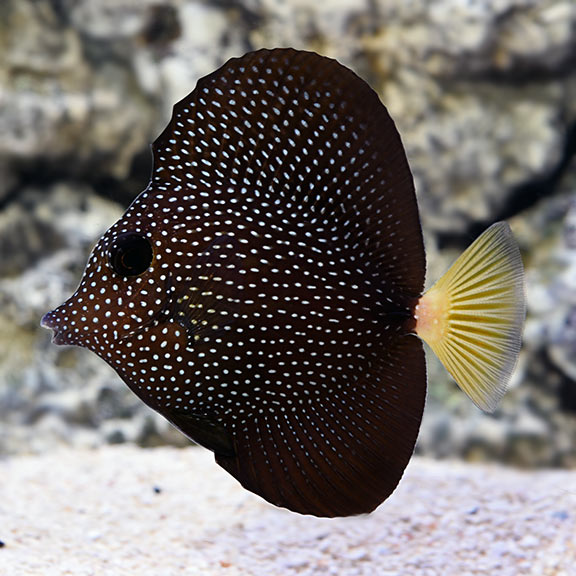
Purple Tang (Captive Bred)
A bold, reef-safe showpiece surgeonfish with powerful algae-grazing habits — now in a hardier, more sustainable captive-bred option.
Watch: Purple Tang Setup Tips
Tip: Add your Purple Tang after the aquascape is mature with steady algae growth and strong flow.
Zebrasoma xanthurum
Pro tip: quarantine when possible and offer nori on day 1 to encourage feeding confidence.
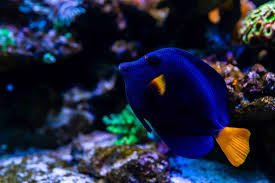
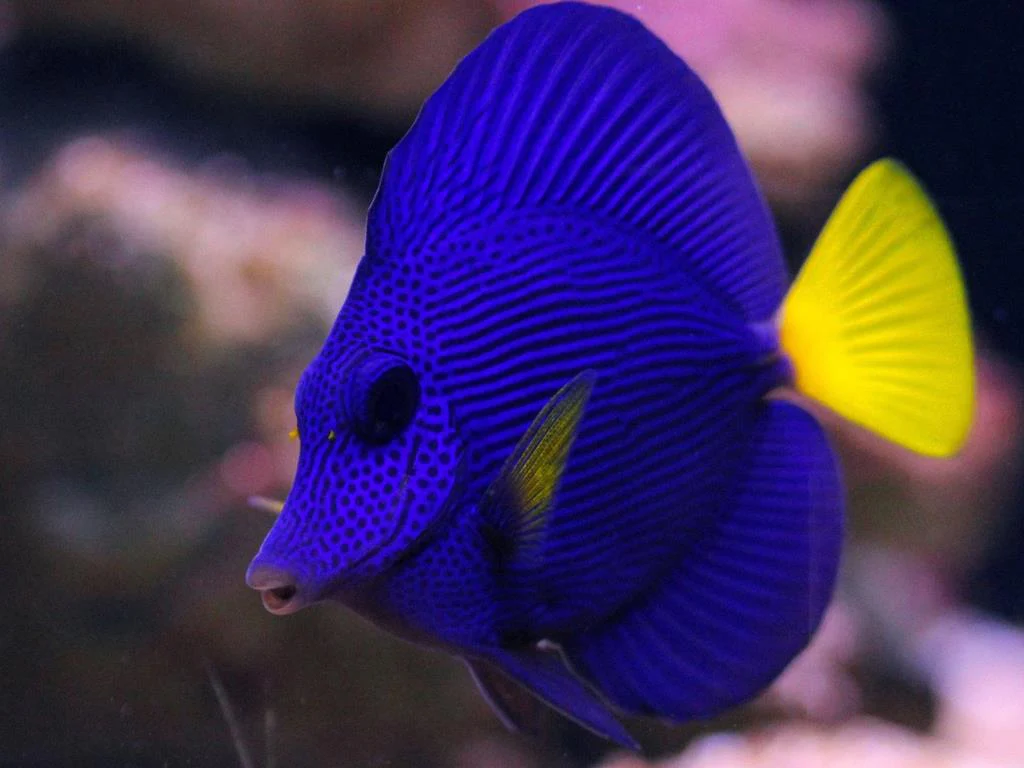
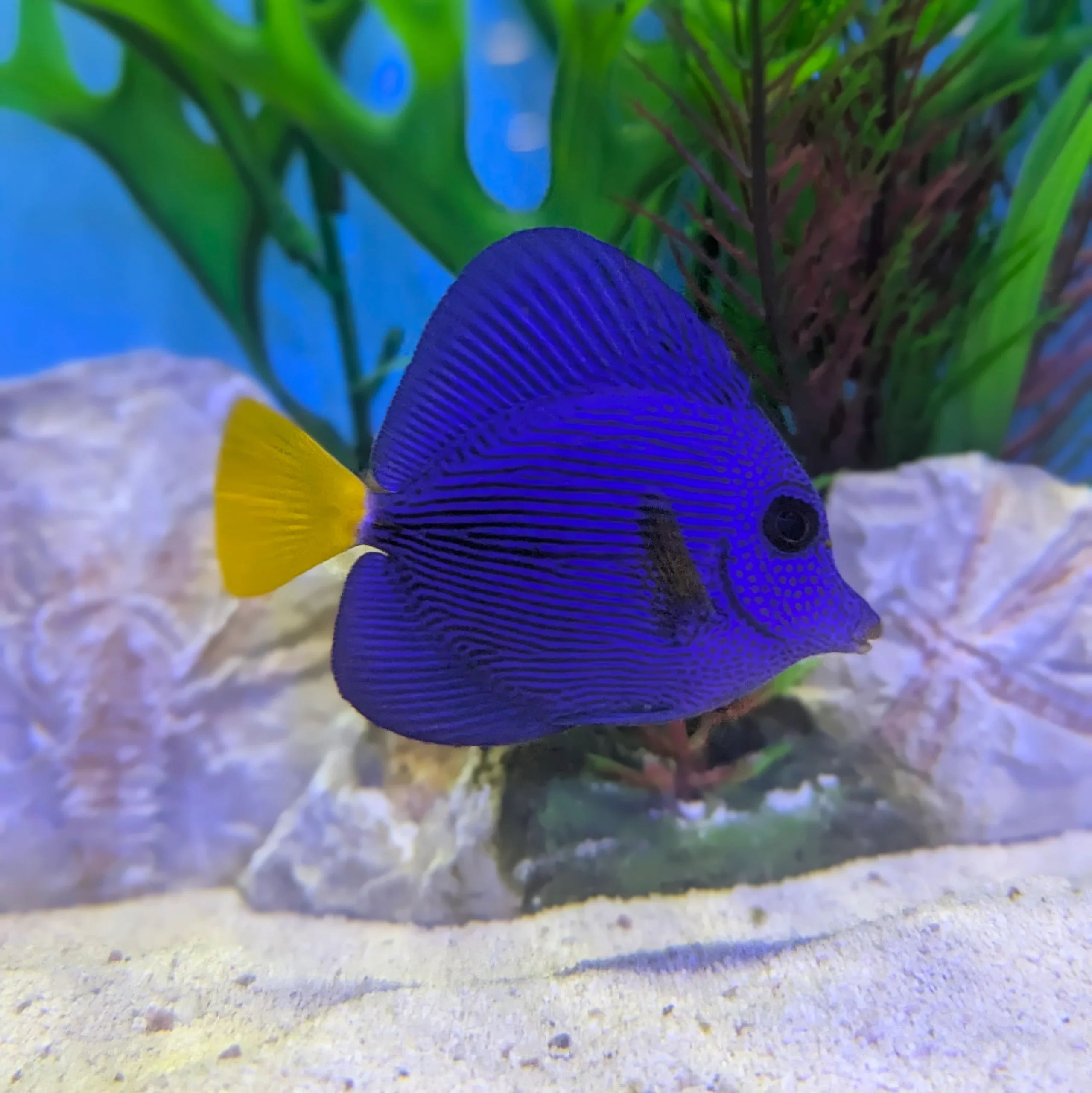
Purple Tang Gallery
Use high-resolution photos with descriptive filenames and alt text to win image SEO.
Care Overview
The Purple Tang is a constant grazer and thrives in larger, stable systems with strong oxygenation, brisk flow, and plenty of rockwork. Captive-bred fish typically accept prepared foods faster and adapt better to aquarium life.
Provide daily algae (nori), high-quality herbivore pellets, and a mature tank with natural film algae. Consistent feeding reduces aggression and improves coloration.
Temperament & Behavior
Semi-aggressive, especially toward other tangs. Best introduced with a plan: add last, use an acclimation box, and avoid adding similar body-shape tangs in smaller tanks.
Tank & Species Specs
Water Parameters
Keep stability first: 1.024–1.026 salinity, 76–78°F, pH 8.1–8.4, strong filtration, and high dissolved oxygen.
Diet & Feeding Schedule
Purple Tangs look best and behave best when fed like grazers: frequent plant-based offerings with a little variety.
- Daily: Nori seaweed on a clip (multiple small feedings works great)
- Staples: Spirulina flakes, herbivore pellets, algae blends
- 1–2x/week: Mysis, brine, or chopped seafood (small portions)
- Optional: Vitamin soak to support coloration and immune health
Best Tank Mates
Choose peaceful-to-neutral fish and avoid stacking similar tangs unless you have the tank size and experience.
Purple Tang FAQ
Is a Purple Tang reef safe?
Yes — Purple Tangs are considered reef safe and generally do not bother corals.
How big do Purple Tangs get?
Most reach about 8 inches, and some can approach 10 inches with excellent care and space.
Why captive-bred instead of wild-caught?
Captive-bred fish are often hardier, adapt to prepared foods faster, and support sustainability.
What tank size is best long term?
Minimum is 100 gallons, but 125+ gallons is ideal for adult size and reduced territorial behavior.