Saltwater Aquarium Sharks & Stingrays – Complete Care & Buying Guide

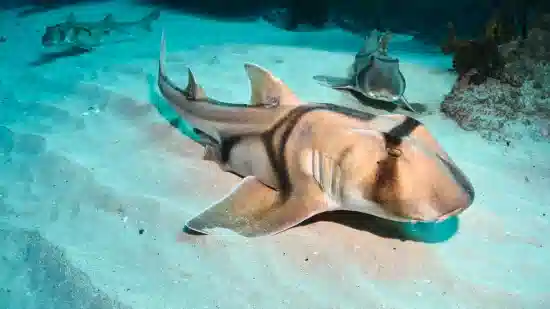
Bamboo shark swimming in a large saltwater home aquarium with open sandbed and live rock

Saltwater aquarium sharks and stingrays can be kept successfully in home aquariums—but only with the right footprint, filtration, and feeding plan. Most “aquarium sharks” are bottom-dwelling species (like bamboo and epaulette sharks), while rays demand wide tanks, deep soft sand, and consistent husbandry. This page helps you choose appropriate species, avoid common mistakes, and buy responsibly.

If you’re planning a 180–500+ gallon predator or specialty display, focus on stability, open sand lanes, rounded rockwork, oversized protein skimming, and a varied meaty marine diet. The goal is long-term health—not short-term novelty.

Tip: Use a short “tank footprint + feeding” video to increase engagement and dwell time.

Tank Requirements (Quick Standards)

  • Footprint matters more than height (wide tanks reduce stress and injuries).
  • Soft sand substrate (avoid sharp gravel; rays can abrade easily).
  • Stable salinity 1.023–1.025 and strong protein skimming.
  • Ammonia/Nitrite must remain 0 ppm (oversize biofiltration is essential).
  • Meaty marine diet (shrimp, squid, clam, fish flesh; vitamin soak).

Compatibility (What to Avoid)

Avoid fin-nippers and aggressive fish that harass bottom dwellers. Skip tight caves and sharp rock piles. Plan smooth, rounded aquascapes with open sand lanes, gentle flow zones, and low-stress tank mates.

Shop Sharks & Stingrays (8 Featured Picks)

Explore responsibly sourced sharks and rays for advanced aquariums. Replace links with your affiliate tracking if needed.
Care Level: Expert • Best Practice: Oversize filtration + wide footprint
Saltwater Aquarium Sharks & Stingrays

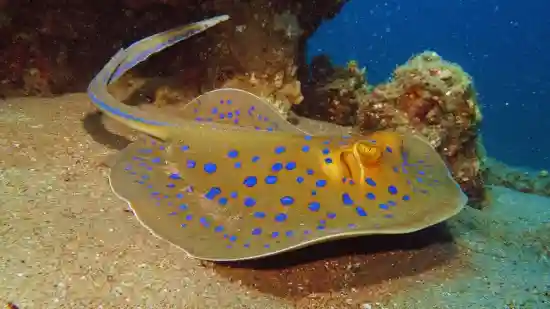
Blue Spot Stingray (Round)

Taeniura lymma

Iconic, high-demand ray that requires pristine water quality, deep soft sand, and a wide tank footprint.

  • Suggested Tank: 300+ gallons (wide footprint)
  • Diet: Carnivore (meaty marine foods)
  • Note: Venomous spine—use caution
View / Buy Blue Spot Stingray
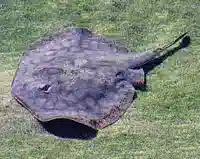
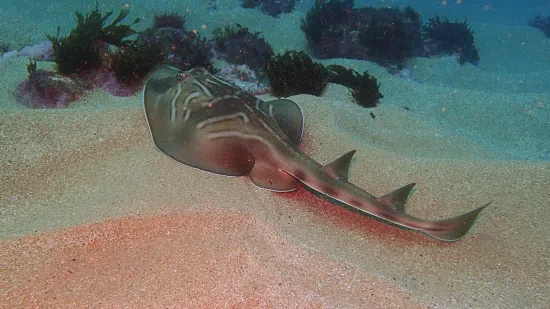
Eastern Fiddler Ray (Trygonorhina fasciata) on sand substrate

Eastern Fiddler Ray (Australia)

Trygonorhina fasciata

A large, sand-loving ray relative that thrives in very wide systems with exceptional filtration and stable parameters.

  • Suggested Tank: 500+ gallons
  • Diet: Carnivore
  • Best with open sand lanes and low competition
View / Buy Fiddler Ray
California Stingray (Urolophus sp.) resting on sand

California Stingray

Urolophus sp.

A bottom-dwelling ray that needs a soft sand bed, stable water quality, and careful feeding to prevent malnutrition.

  • Suggested Tank: 300+ gallons
  • Diet: Carnivore
  • Note: Venomous tail—be careful during maintenance
View / Buy California Stingray
Bamboo Shark Egg case for hatching in aquarium

Shark Egg – Bamboo Shark

Chiloscyllium sp.

A popular entry into benthic shark keeping. Plan ahead for adult size: wide footprint and soft sand are must-haves.

  • Suggested Tank: 200+ gallons (larger long-term)
  • Diet: Carnivore
  • Best Practice: Keep stress low; maintain stable parameters
View / Buy Bamboo Shark Egg
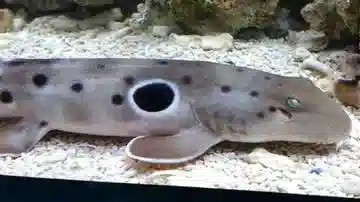
Epaulette Shark (Hemiscyllium ocellatum) on sandbed

Epaulette Shark

Hemiscyllium ocellatum

Famous “walking” shark that prefers calm, dimmer periods and a wide, obstruction-free footprint for cruising.

  • Suggested Tank: 200+ gallons (wide footprint recommended)
  • Diet: Carnivore
  • Often nocturnal—feed after lights down
View / Buy Epaulette Shark
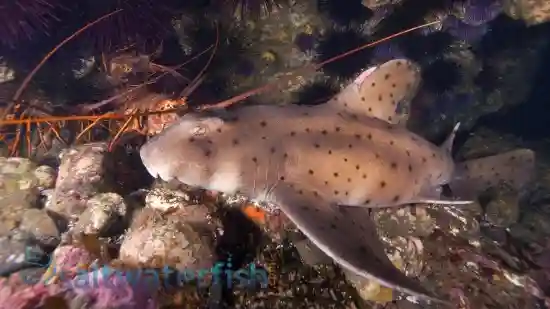
Horn Shark (Heterodontus francisci) swimming near rock and sand

Horn Shark

Heterodontus francisci

A bullhead-type shark that needs substantial space, stable oxygenation, and strong filtration for long-term success.

  • Suggested Tank: 400+ gallons
  • Diet: Carnivore
  • Plan open resting areas and smooth rock edges
View / Buy Horn Shark
Port Jackson Shark (Heterodontus portusjacksoni) in aquarium

Port Jackson Shark

Heterodontus portusjacksoni

A large bullhead shark suited only for very big, professionally planned systems with excellent water quality management.

  • Suggested Tank: 500+ gallons
  • Diet: Carnivore
  • Expect heavy bio-load; oversize filtration
View / Buy Port Jackson Shark
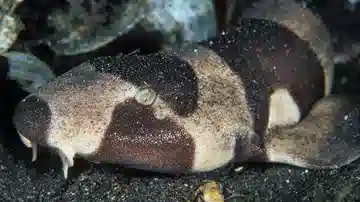
Brown-Banded Bamboo Shark (Chiloscyllium punctatum) juvenile

Brown-Banded Bamboo Shark

Chiloscyllium punctatum

A common benthic shark option for large home aquariums. Best in wide tanks with soft sand and consistent feeding.

  • Suggested Tank: 300+ gallons
  • Diet: Carnivore
  • Nocturnal—offer food after lights down
View / Buy Bamboo Shark

Sharks & Stingrays FAQ

What is the smallest shark suitable for a home aquarium?
Bottom-dwelling species like bamboo sharks (and similar benthic sharks) are among the most “home-aquarium realistic,” but they still require large, wide tanks (commonly 180–300+ gallons depending on species and adult size). Footprint matters more than height.
How big of a tank do stingrays need?
Most marine rays are best in very wide systems (often 300–500+ gallons). They need deep soft sand, open lanes for movement, and high oxygenation with oversized filtration due to heavy bio-load.
Are sharks and rays reef safe?
Generally, no. Sharks and rays are carnivores and can disturb rockwork and sandbeds. Many will eat crabs, shrimp, snails, smaller fish, and other invertebrates. Plan these systems as fish-only or predator/specialty displays.
What do aquarium sharks and rays eat?
A varied meaty marine diet works best: shrimp, squid, clam, mussel, and quality marine fish flesh. Many keepers use vitamin soaks and feed with tongs to ensure the animal gets its share (especially in community predator tanks).
What’s the #1 mistake beginners make with sharks and rays?
Underestimating tank footprint and filtration. These animals need stable parameters, lots of oxygen, and plenty of space to turn and rest. Small tanks and fluctuating water quality lead to stress, injury, and feeding issues.

Similar Posts

  • Blue Spot Stingray

    Saltwater Rays • Advanced Care • Elasmobranch Guide Blue Spot Stingray (Round): The Complete Care Guide for Taeniura lymma The Blue Spot Stingray (Round)—most commonly the Bluespotted Ribbontail Ray (Taeniura lymma)—is a living piece of ocean art: a golden-brown disc scattered with neon-blue spots and a ribbon-like tail. It’s also one of the most misunderstood…