Predator Tank Centerpiece • Reef-Safe (With Rules)
Zebra Moray Eel Care Guide (Gymnomuraena zebra): Tank Setup, Feeding, Size & Compatibility
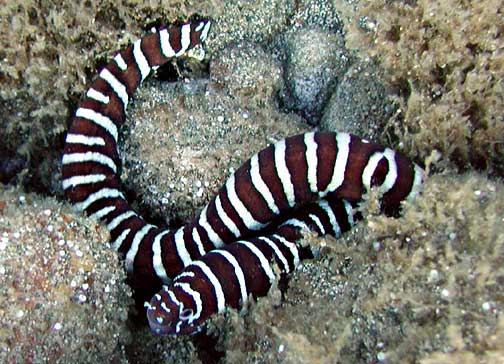
The Zebra Moray Eel is famous for its bold black-and-white striping and surprisingly calm temperament. Unlike many morays, it’s a shell-crusher that typically ignores healthy fish—making it a top choice for large, showpiece saltwater aquariums when housed correctly.
Tip: Zebra Morays are long-term pets. Plan for adult size, secure rockwork, and a tight lid from day one.
🎥 Watch: Zebra Moray Eel in a Reef Aquarium
See how a Zebra Moray Eel behaves in a home saltwater tank. Notice the slow movements, cave exploration, and how it responds during feeding time.
Pro Tip: Embed your own YouTube video to increase dwell time, SEO performance, and conversions.
Quick Care Checklist
Adult Size
3–5 ft
Plan for a large, stable tank footprint and strong filtration.
Minimum Tank
125 gal+
180+ gallons is ideal for adults and easier long-term stability.
Temperament
Peaceful*
Generally fish-safe, but may eat crustaceans and small meaty snacks.
Reef Compatibility
Yes (Caution)
Corals are safe. Shrimp/crabs are not guaranteed to survive.
Diet
Shellfish
Crab, clam, shrimp, scallop, squid (variety is best).
Must-Have
Tight Lid
Escape-proof the tank. Morays can push through tiny gaps.
*“Peaceful” means relative to other morays. Proper hiding spots and consistent feeding reduce risk.
Why Zebra Morays Are Different
Most “scary moray” stories come from species built to ambush fish. The Zebra Moray is different. It has blunt, molar-like teeth designed to crush shells—not slice and hold fish. In a well-fed, properly sized aquarium, many hobbyists report Zebra Morays coexisting peacefully with tangs, angels, triggers, groupers, and other large fish.
That doesn’t mean “risk-free.” Any predator can make a mistake, especially if tank mates are tiny, stressed, or sleeping in the wrong place. But compared to many morays, the Zebra Moray is often considered a safer choice for mixed fish displays.
Expect a mostly nocturnal, cave-dwelling animal that becomes more confident over time. The “open-mouth” look is normal—morays pump water over their gills by opening and closing the jaw.
Natural Habitat & Appearance
Zebra Moray Eels (Gymnomuraena zebra) come from Indo-Pacific reef zones, where they wedge into rock crevices and hunt for crabs and other hard-shelled prey. Their dramatic banding isn’t just for looks—it helps break up their outline among reef shadows.
Adults can exceed 4 feet, so the key to success is thinking about the eel’s full-body turning radius. A tank can have plenty of gallons, but if rockwork is cramped or unstable, the eel may topple structures and stress itself.
- Color: Black & white bands
- Body: Thick, muscular, slow-moving
- Behavior: Hides by day, explores more at dusk/night
Tank Setup for Zebra Moray Eels
The best Zebra Moray setup is simple: stable rockwork, multiple caves, strong filtration, and zero escape routes. Think like an eel—if there’s a hole, it’s a door. If there’s a loose rock, it’s a lever.
1) Rockwork & Hiding Places
Build caves with weight-bearing contact on the glass bottom or secure structures with epoxy or reef-safe cement. Provide at least two hiding options so your eel can choose a “favorite” without feeling trapped. Many keepers also add large PVC elbows behind the aquascape—easy to clean, and the eel loves them.
2) Lid & Escape Proofing
Zebra Morays are powerful and curious. Use a tight-fitting lid or mesh screen designed for saltwater tanks. Seal gaps around hoses, overflow teeth, and wire cutouts. If you can fit a finger through it, a moray may eventually fit its head.
3) Filtration & Water Quality
Morays are messy eaters. Oversize your filtration with a strong protein skimmer and adequate biological media. A robust cleanup routine (siphoning detritus, swapping filter socks, rinsing mechanical media) helps keep nutrients stable. Stable parameters matter more than chasing “perfect” numbers.
Recommended Parameters
- Temperature: 74–80°F
- Salinity: 1.023–1.025
- pH: 8.1–8.4
- Ammonia/Nitrite: 0
- Nitrate: keep reasonable/stable
Equipment That Helps
- Protein skimmer sized for heavy bioload
- Secure lid / mesh top
- Feeding tongs (stainless or acrylic)
- Powerheads with protected intakes
- Quarantine tank (strongly recommended)
Zebra Moray Eel Feeding Guide
The number one “success lever” with Zebra Morays is consistent feeding with varied, high-quality seafood. Because they’re built to crush, aim for foods with firmer texture and rotate options to cover nutrition.
Best Foods
- Raw shrimp (shell-on occasionally for enrichment)
- Clam or mussel meat
- Crab meat / chunks
- Scallop
- Squid (small pieces)
How Often to Feed
Most adults do well with 2–3 feedings per week. Juveniles may accept smaller meals more frequently. Avoid overfeeding—morays can become obese in captivity, which impacts health long-term.
Feeding Safely
Use feeding tongs and present food near the eel’s cave entrance. They often strike confidently once they recognize the routine. Never hand-feed. Zebra Morays have strong bite force and can mistake fingers for food, especially when excited.
Pro Tip
If your eel refuses food after shipping, dim the lights, reduce traffic near the tank, and offer a fresh piece on tongs at dusk. Many Zebra Morays settle in and begin eating reliably within days when they feel secure.
Tank Mates & Compatibility
Zebra Morays are often chosen for “predator community” tanks because they usually ignore fish that are too big to swallow. Compatibility still depends on tank size, temperament, and feeding consistency.
Generally Good Matches
- Tangs
- Large angelfish
- Many triggerfish (avoid ultra-aggressive bullies)
- Groupers (with appropriate size considerations)
- Lionfish (monitor feeding competition)
Avoid / High Risk
- Cleaner shrimp, peppermint shrimp
- Crabs and lobsters
- Very small fish that sleep in crevices
- Delicate species that stress easily
- Open-top tanks (escape risk)
Reef safe? Corals and most sessile invertebrates are fine. The main issue is crustaceans. If your dream reef includes decorative shrimp and crabs, a Zebra Moray may not be the right centerpiece.
Buy a Zebra Moray Eel (Healthy, Eating, Properly Shipped)
A great Zebra Moray starts with a great source. Look for bright eyes, responsive behavior, intact skin, and preferably a specimen that is already eating prepared foods. When in doubt, buy from a vendor with strong DOA policies and clear acclimation guidance.
✅ What to Look For
No torn mouth, no cloudy eyes, normal breathing, and steady posture in the bag/tank.
🚚 Shipping Notes
Eels ship best when packed properly. Acclimate calmly, and provide a dark hiding place immediately.
🧰 First Week Setup
Keep lights low, avoid rearranging rocks, and offer food at dusk with tongs.
Common Questions & Troubleshooting
Why is my Zebra Moray hiding all day?
Normal behavior. Provide secure caves and minimize sudden lighting changes. Over time, many Zebra Morays become bolder, especially when they learn the feeding routine.
Is it aggressive?
Zebra Morays are typically calmer than many morays, but they still defend their cave and can strike when startled or hungry. Use feeding tongs and avoid placing small, sleeping fish in the eel’s preferred crevice zones.
Will it eat my shrimp or crabs?
Very possibly. Zebra Morays are built to crush shells. If you want ornamental crustaceans, consider a different centerpiece fish.
How long do Zebra Morays live?
With good care, stable water, and proper diet, they can live for many years—often well over a decade. Treat this eel like a long-term aquarium commitment.
Related Guides on NemoAquarium.com
Use these internal links to keep visitors exploring and boost topical authority:
FAQ: Zebra Moray Eel
Are Zebra Moray Eels reef safe?
Zebra Morays are typically reef safe with corals, but they are not safe with many crustaceans (shrimp, crabs, lobsters). They may also eat very small fish that sleep in rock crevices.
How big does a Zebra Moray Eel get?
Many reach 3–4 feet in captivity, with some exceeding 4 feet. A 125-gallon tank is a minimum; 180+ gallons is ideal for adults.
What do Zebra Moray Eels eat?
Their natural diet is hard-shelled prey. In aquariums, feed shrimp, clam, crab meat, scallops, and squid using tongs, 2–3 times per week.
Do Zebra Morays attack fish?
They are less likely to hunt fish than many morays due to their crushing teeth, but any predator can bite if hungry or startled. Keep tank mates appropriately sized and maintain consistent feeding.