Wrasses for Saltwater Aquariums (Complete Buying & Care Guide)
Wrasses are fast, colorful, and endlessly entertaining—ranging from smaller “reef-safe” pest hunters to bold, large showpieces for fish-only systems. Use this page to pick the right wrasse by tank size, temperament, and feeding needs—and browse every wrasse currently listed in our catalog.
How to Choose the Right Wrasse
Start with adult size (many wrasses outgrow small tanks), then confirm whether your setup is reef (corals/inverts) or FOWLR (fish-only with live rock). Many wrasses also need a fine sand bed to sleep and feel secure. Always plan for a tight lid or mesh top because wrasses are notorious jumpers.
Featured Wrasses
High-demand wrasses and tusk wrasses—great for bold color, motion, and “wow factor.”
Orange Spotted Tuskfish (Choerodon anchorago)
Starting at $111.99
Harlequin Tusk – Captive Bred (Lienardella fasciata)
Starting at $517.99
More Wrasses
Even more wrasses—mix-and-match by temperament, adult size, and tank style.
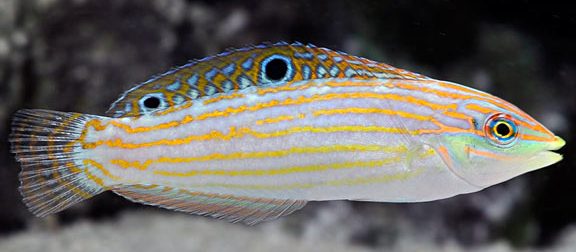
Red Margin Fairy Wrasse (Cirrhilabrus rubrimarginatus)
Starting at $114.99
Blue Spotted Tamarin Wrasse (Anampses caeruleopunctatus)
Starting at $140.99
Four-Line Cleaner Wrasse – Red Sea (Larabicus quadrilineatus)
Starting at $190.99
Specialty Wrasses
Hard-to-find wrasses and premium show fish for large systems.
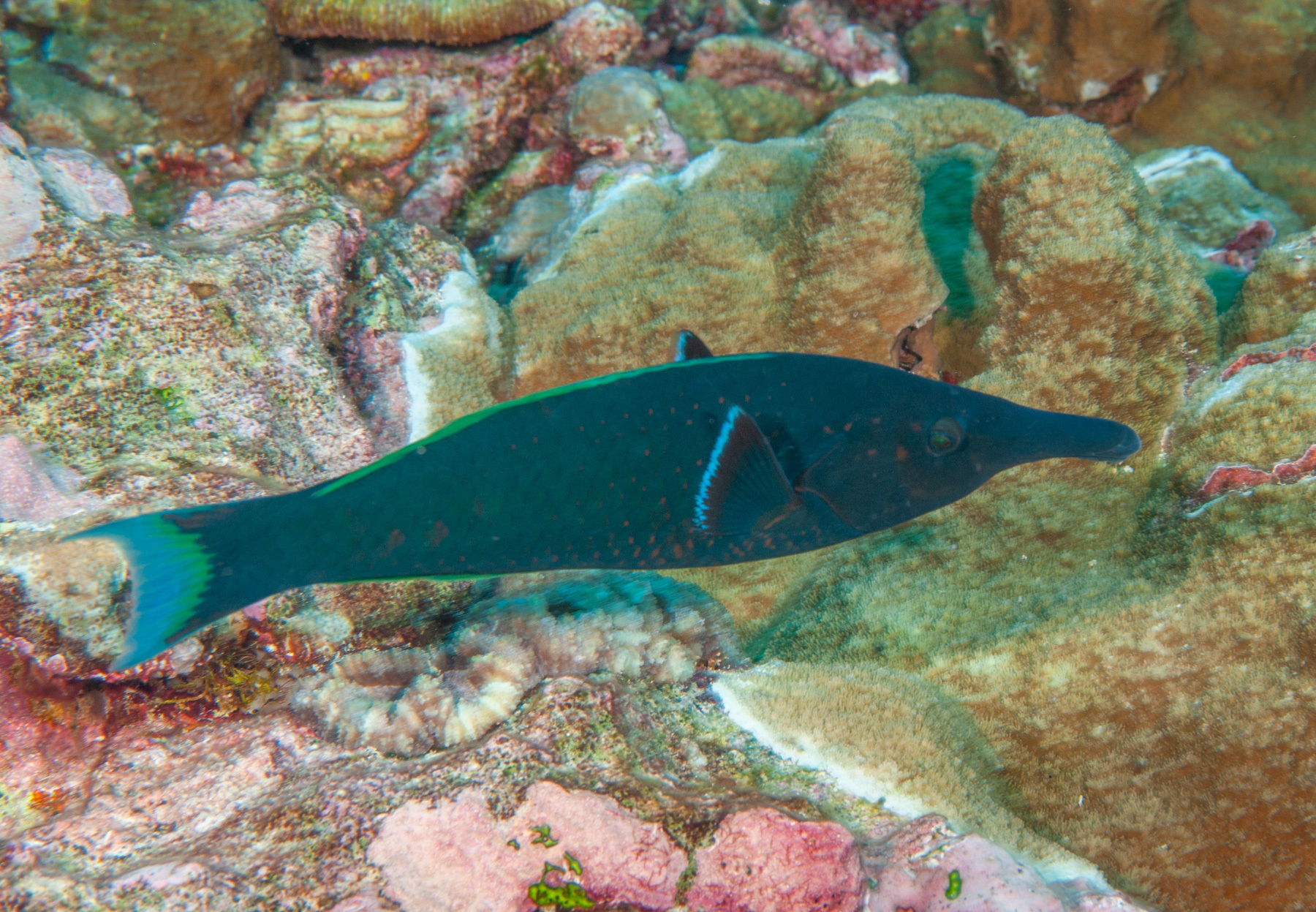
Blue/Green Bird Wrasse – Indian Ocean (Gomphosus caeruleus)
Starting at $138.99
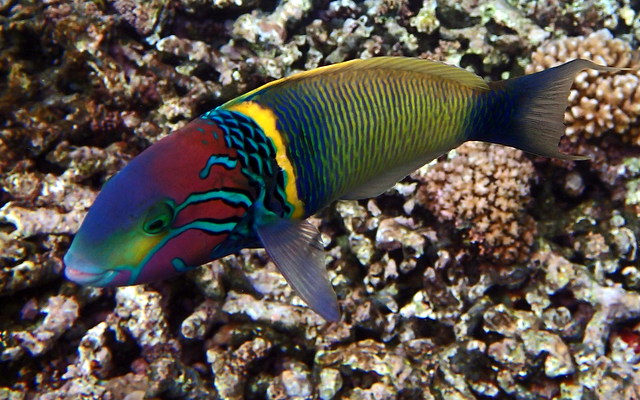
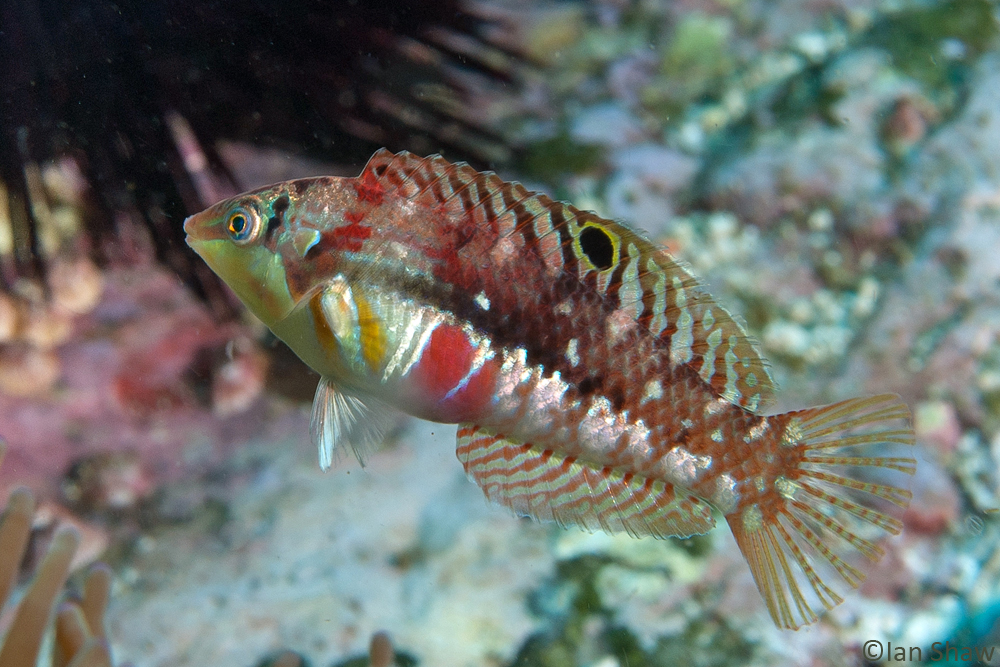
Red Cheek Wrasse – Indian Ocean (Thalassoma genivittatum)
Starting at $473.99
Wrasse Care Basics (Tank Size, Diet, Lid, Sand)
Most wrasses thrive in stable reef parameters (74–80°F, salinity around 1.024–1.026, strong filtration, and consistent feeding). Many species are fast jumpers, especially during acclimation—so a lid or mesh top is essential. Sand-burying wrasses (common in several genera) appreciate a fine sand bed for sleeping and stress relief.
Feeding: offer a varied menu (frozen mysis, brine, chopped seafood, and quality marine pellets). Larger predatory wrasses often prefer meaty foods and need enough space to swim and establish territories.
Wrasses FAQ
Are wrasses reef safe?
Some are, some aren’t. Smaller peaceful wrasses are often chosen for reef systems, while larger predatory wrasses are better suited for FOWLR tanks.
Do wrasses need sand?
Many species benefit from sand (especially those that bury at night). If you’re unsure, plan on a fine sand bed and stable rockwork.
Do wrasses jump?
Yes—wrasses are among the most common jumpers in the hobby. Use a tight lid or mesh top with no gaps.